THE KITCHEN’S

James was born in Edinburgh, Scotland in 1851. Francis was born in Yorkshire,
England in 1852. They married in 1883 and moved to Brandon, Manitoba the same year.

They settled in Brandon their first winter and then laid claim to this land the next spring. The land was formerly owned/leased by Morton Dairy Company.

George Morton came from Kingston, Ontario. He arrived in the area in 1881. His intention was to create a large-scale dairy operation named The Morton Dairy Farming and Colonization Company. George planned to set up 108 dairy farms, 36 stock farms, and a cheddar cheese factory. George thought the land on the north side of Whitewater Lake would be ideal. It was perfect for the rich hay land needed for cattle feed. The reality was that winters were too harsh in Manitoba and hundreds of cattle were lost. The railway also veered off their original plan and did not build a line close to the farm.

The dairy project failed. Still, George stayed in the area. He contributed to the early development of Boissevain.

During James & Francis’ first summer they lived in a tent and then spent the winter in Brandon. Then in the spring of 1885 they stayed on the land permanently and “struggled” as typical prairie homesteaders. The first home they built on the land was a sod hut which they lived in until 1895.
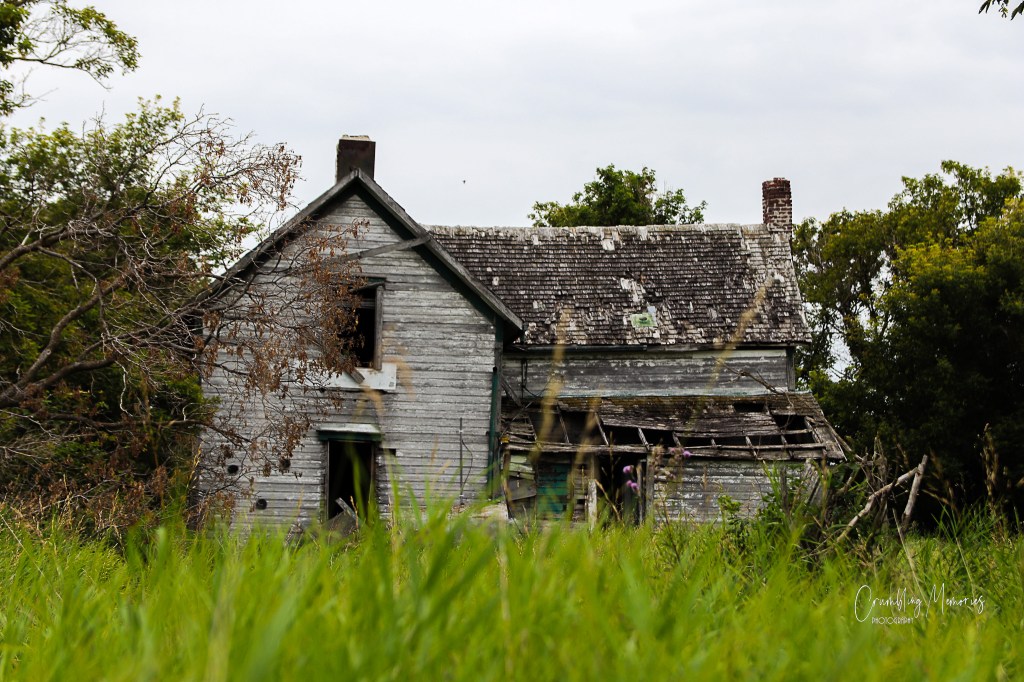
The couple raised 4 children on this farm. Two boys and two girls. The boys worked hard on the farm and were known for their Clydesdale horses which won many awards.
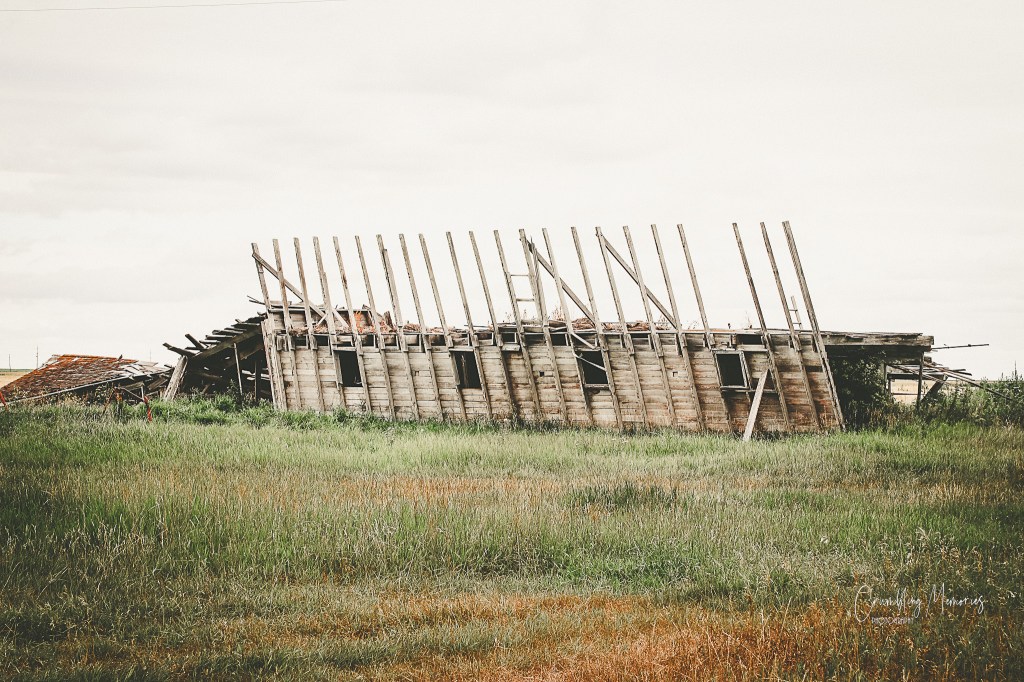
One of the boys went to World War 1. Upon his return, the family started the task of piping running water into the home. That son later moved to B.C. leaving his brother to continue farming the family homestead.
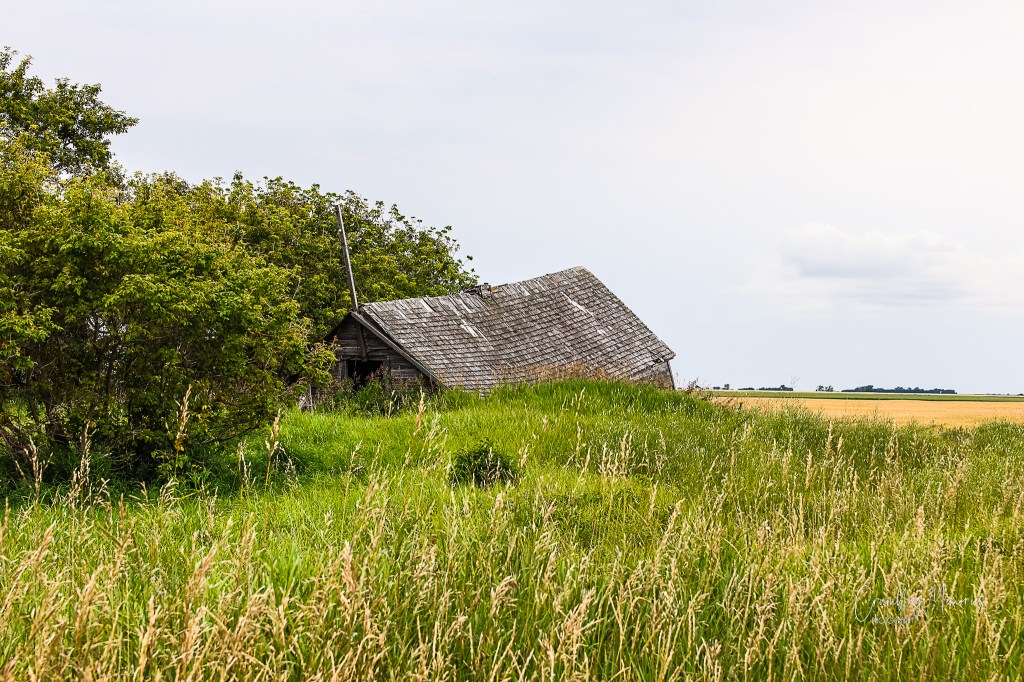
The girls participated in many local fairs selling baked goods, poultry and cut-glass bowls which they won prizes for. The Kitchen family home was known for their home cooked meals and hospitality.
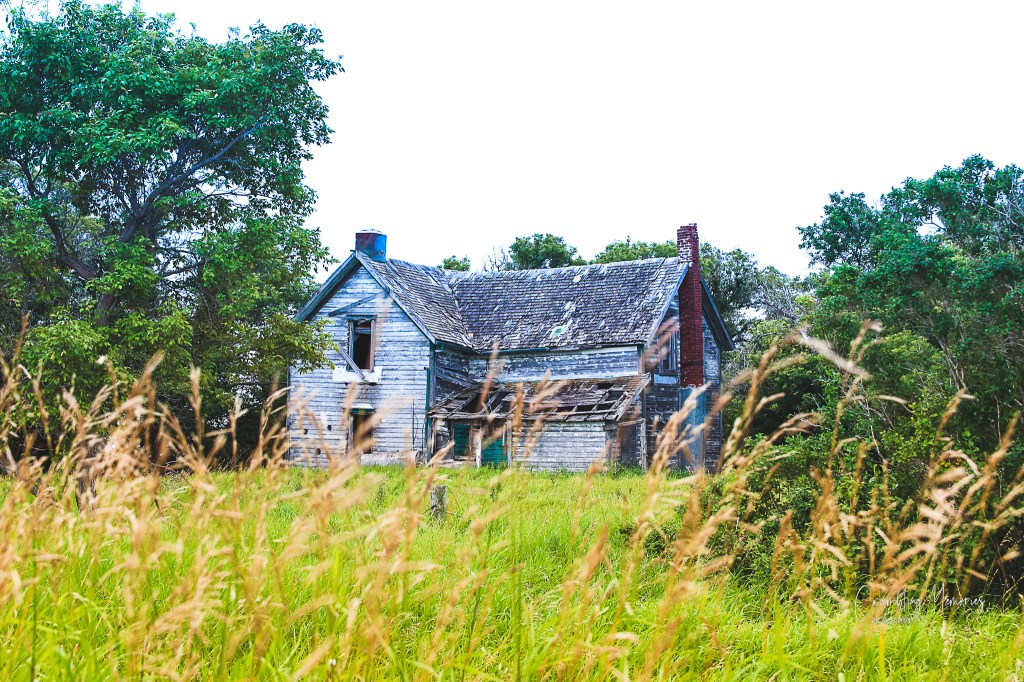
The property was located along the trail. Aboriginal people from the Turtle Mountain Reserve used this trail to travel the prairies. The family was also known for their pig who also served as a family pet.

DKW

Its been a while. And to make matters worse, I shot this house in 2023! I need to get it together.

That being said, let’s start with a house that I can’t tell you a whole lot about, mainly because the archives are sparse and the details are shrouded in mystery. The first family I could find any history about was the third owner of the land, who purchased the estate in the early 1900s.

Born in Northern Ireland in 1893, he spent his early years surrounded by the lush green hills and rich culture of his homeland. In 1912, seeking new opportunities, he moved to Canada, where he initially farmed for a local landowner, experiencing the challenges and rewards of rural life in a foreign land. However, in 1915, with a strong sense of duty and patriotism, he enlisted to serve in the war, joining the Field Ambulance Militia, where he played a crucial role in providing medical support to soldiers in France amidst the chaos of battle. After several grueling years of service, he returned to his home area in 1923, bringing with him not only memories of his experiences but also a renewed perspective on life. It was during his time overseas that he met Beatrice, whom he married soon after settling back in Canada, eager to start a new chapter together.

DK and Beatrice raised two daughters, both of whom were born in this home, and retired from farming in 1949, after many years of hard work and dedication to their land. The home was filled with laughter and love, as the family created cherished memories together, celebrating milestones such as birthdays and holidays in the warmth of their rural setting. Their daughters grew up immersed in the values of hard work, perseverance, and the importance of family, which were instilled in them by their parents through countless lessons learned on the farm. As their farming days came to an end, DK and Beatrice looked forward to new adventures in retirement, reflecting on a life well-lived while maintaining connections with their community and the land they had nurtured for so long.

On this day we had a little friend out with us. The neighbouring farm dog joined us on our walk out to the house. Honestly, given my fear of dogs, I was more concerned about the bull that was watching us from across the pasture! We survived.